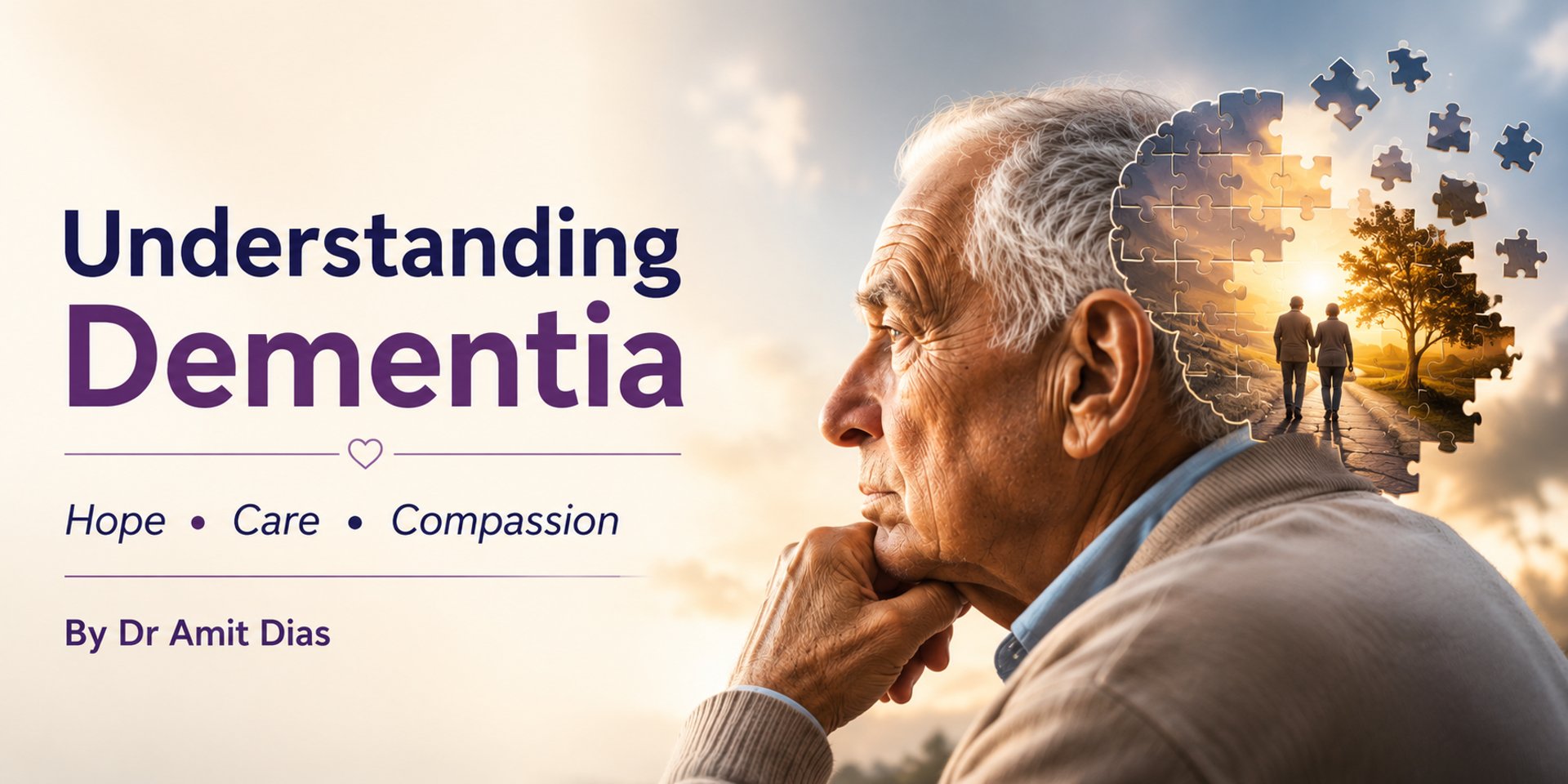
What is Dementia ?
Dementia is not a normal part of ageing. It is an umbrella term used to describe a group of conditions that affect the brain, leading to difficulties with memory, thinking, behaviour, and daily activities.
Common symptoms may include:
Memory loss
Difficulty finding words
Problems with reasoning and judgment
Getting lost in familiar places
Changes in mood or personality
Difficulty performing everyday tasks
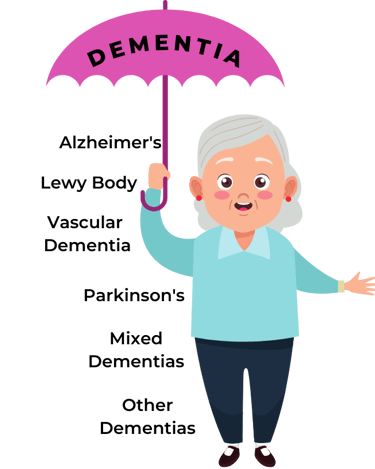

Types of Dementia
Alzheimer's Disease
The most common form of dementia, accounting for 60–70% of cases.
Common Signs:
Gradual onset and slow progression
Difficulty remembering recent events
Repeating questions
Misplacing items
Increasing dependence over time
Caused by reduced blood flow to the brain, often following strokes or blood vessel disease.
Common Signs:
Slower thinking
Difficulty planning and decision-making
Balance and walking problems
History of hypertension, diabetes, or stroke
Vascular Dementia
Dementia with Lewy Bodies
Caused by abnormal protein deposits in the brain.
Common Signs:
Fluctuating attention and alertness
Visual hallucinations
Sleep disturbances
Parkinson-like symptoms
The most common form of dementia, accounting for 60–70% of cases.
Common Signs:
Gradual onset and slow progression
Difficulty remembering recent events
Repeating questions
Misplacing items
Increasing dependence over time
Frontotemporal Dementia (FTD)
Mixed Dementia
Many older adults have more than one type of dementia, most commonly Alzheimer's disease combined with vascular dementia.
Common Signs:
Symptoms of multiple dementia types
Variable progression
Common in advanced age
Early Warning Signs
Recognising symptoms early can make a significant difference.
Watch for:
Repeatedly asking the same questions
Forgetting recent conversations
Difficulty managing finances
Getting lost in familiar surroundings
Frequently misplacing belongings
Changes in mood or personality
Withdrawal from social activities
If memory loss begins affecting daily life, seek professional advice early.


Living Well with Dementia
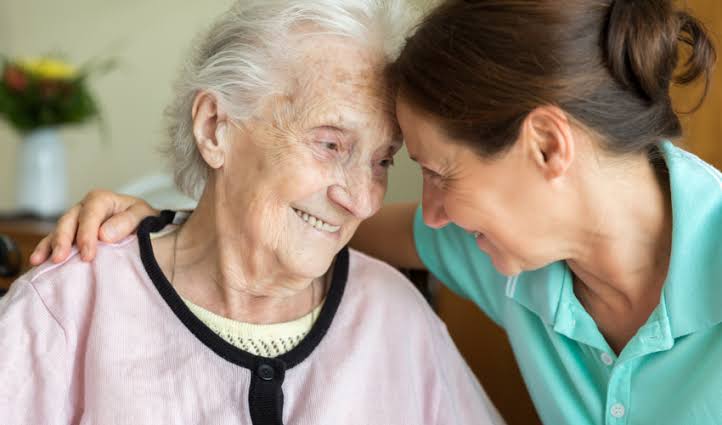
A diagnosis of dementia is life-changing, but it is not the end of life. Many people continue to enjoy meaningful relationships, hobbies, spiritual activities, and moments of happiness for years after diagnosis.
The goal should not simply be to add years to life but to add life to years.
Communities, healthcare professionals, policymakers, and families all have a role to play in creating dementia-friendly environments where people feel valued, included, and respected.
About the Author
Dr. Amit Dias is an Assistant Professor in the Department of Preventive Medicine. He has been part of the Memory Café since its inception and is passionate about building capacity and educating the public.
The Memory Cafe
Supporting seniors living with dementia through compassion, connection, and community.
© 2026 My Memory Cafe and Memory Café Goa Foundation. All Rights Reserved.
"Every senior deserves to age with dignity, purpose, and the comfort of compassionate care"